Four possible futures shaped by life stage, attention and trust.
A foresight prototype.
Four questions.
Four buried assumptions.
Generations are a unit you can design for.
Pew, which built generational research, stepped back from generational framing in 2023.
Attention spans have collapsed.
The 8-second goldfish stat is fabricated. Attention is not scarcer, it is more selective.
US versus Europe is the divide.
The real divide is institutional. Who pays for health and old age.
The borrower is the customer.
The household is the customer. Money flows up, down, and sideways between generations.
Two uncertainties.
Four futures.
The Trust Compound.
A 2030 worth building toward.
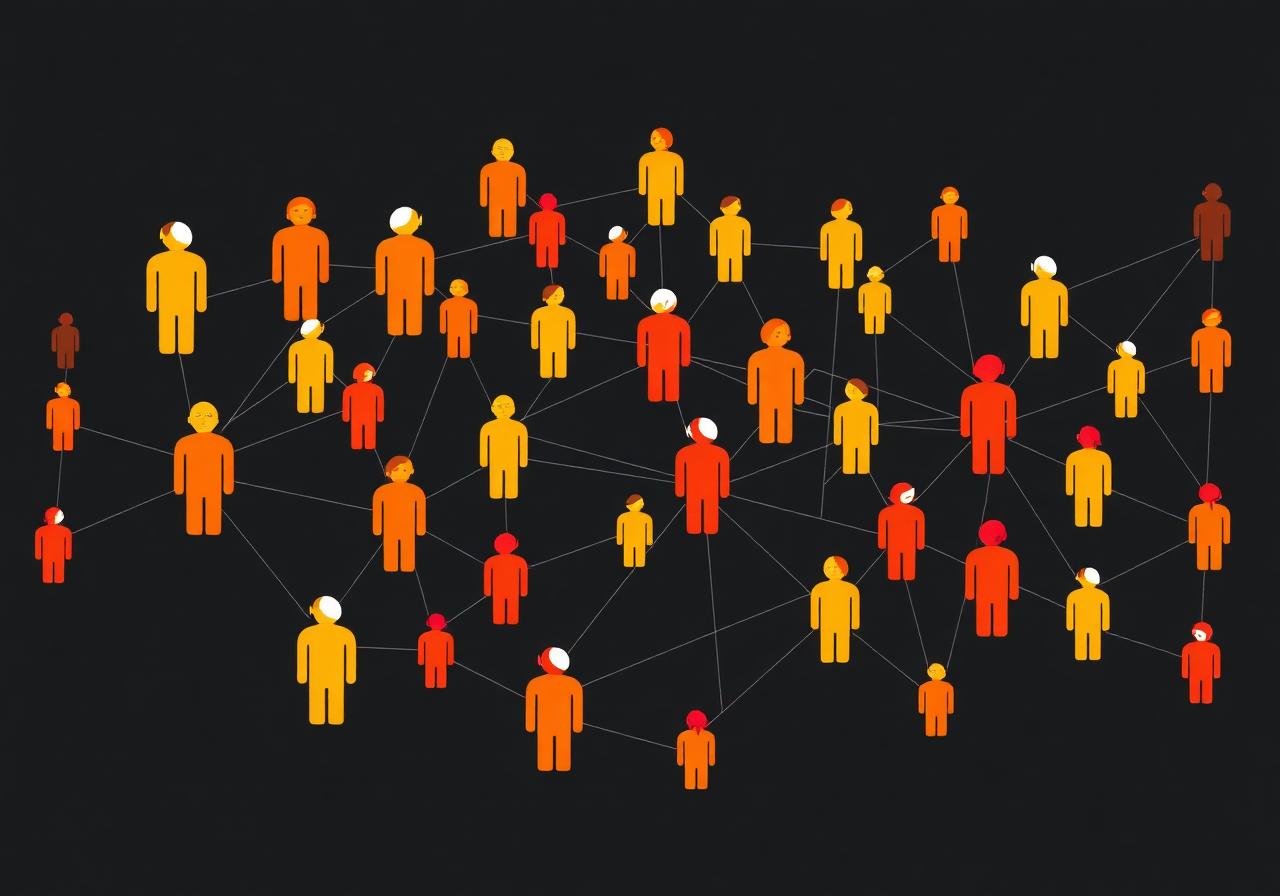
Trust moved. The brand relationship is now the high-trust asset.
percent trust the brands they use. 68 percent distrust business leaders.
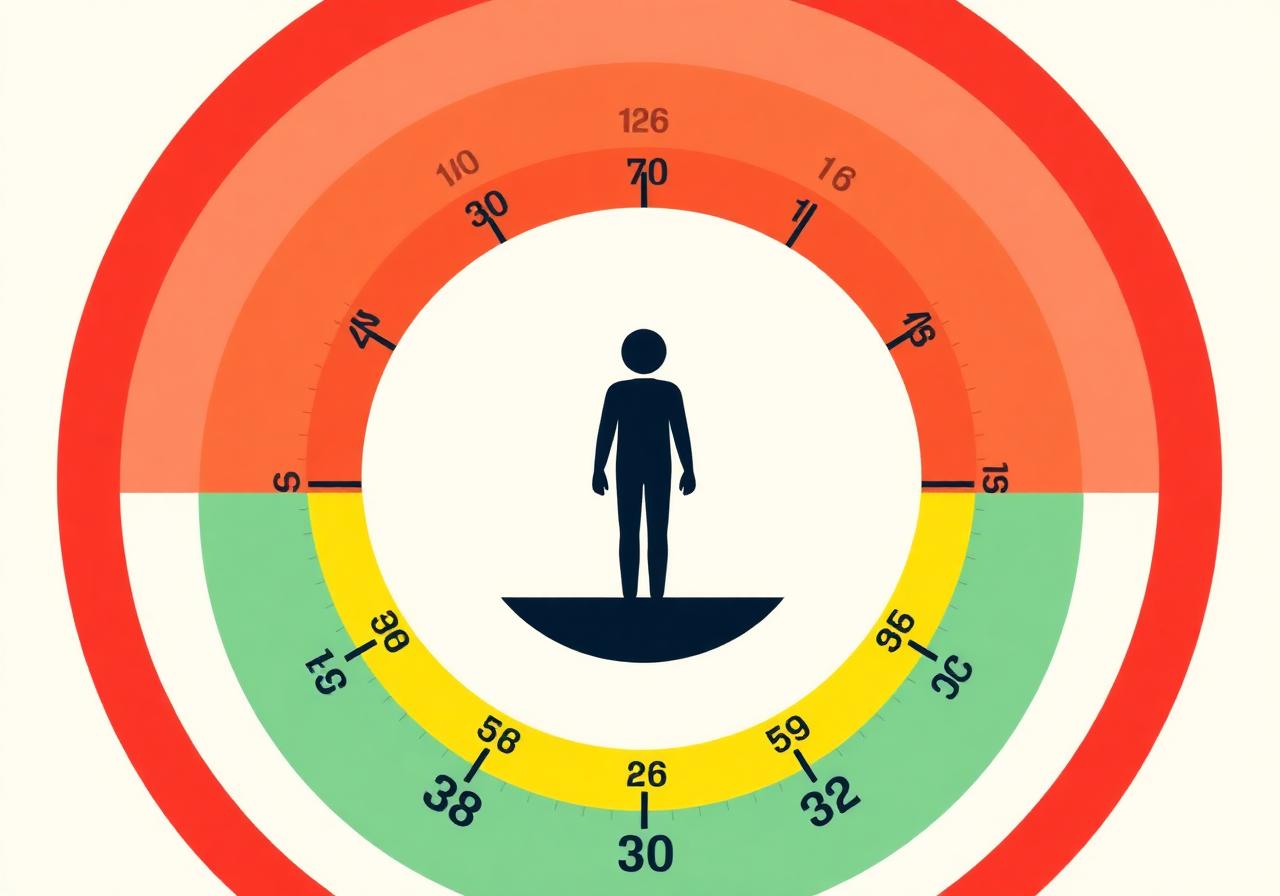
Cohort labels faded. Life stage and behaviour became the unit.
percent of people identify with their assigned generational label.

Attention stayed deep, just selective. The brand earns the held moment.
seconds. Average focus on a single screen, down from 2.5 minutes in 2004.
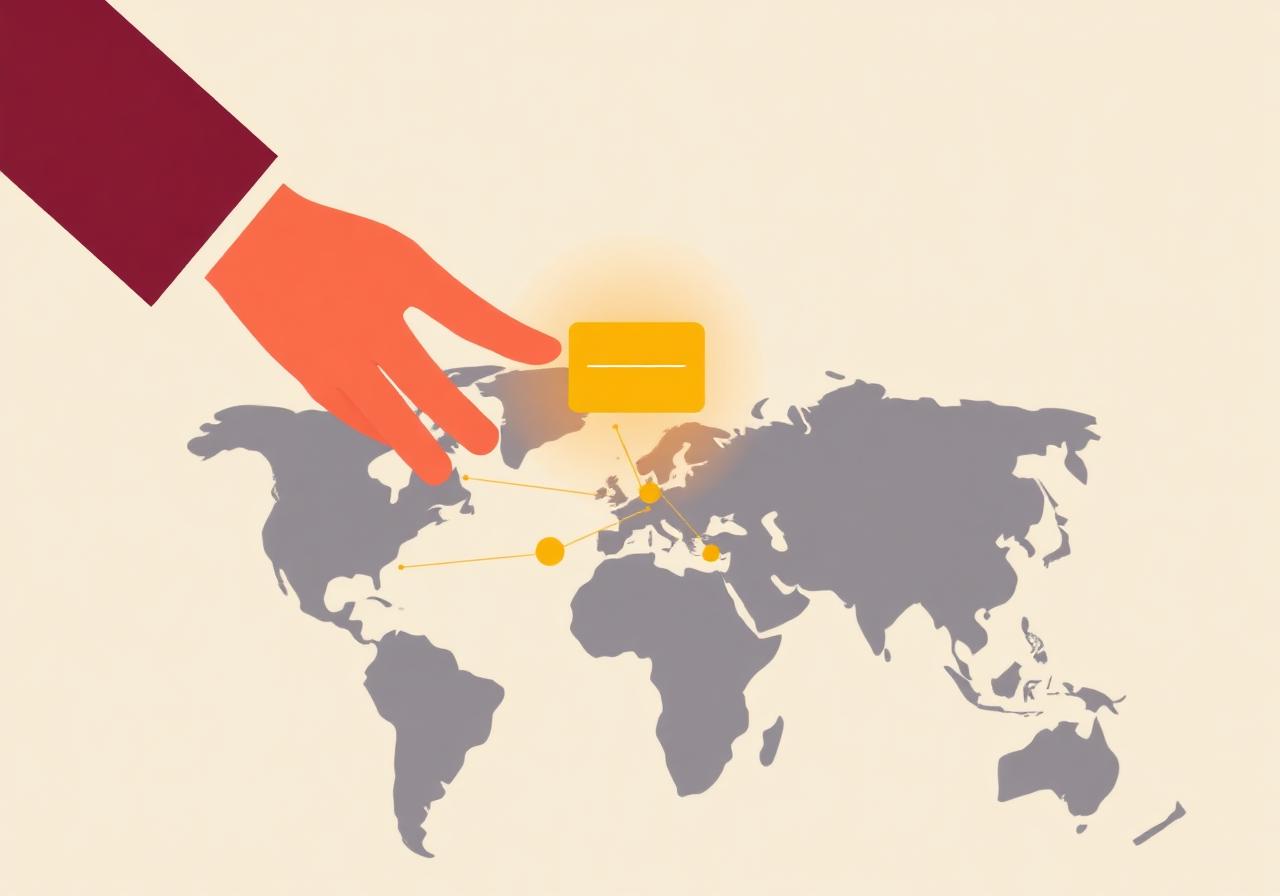
Income and institution, not the passport, drew the real map.
percent of those earning under 50k rely on Buy Now Pay Later over credit cards.
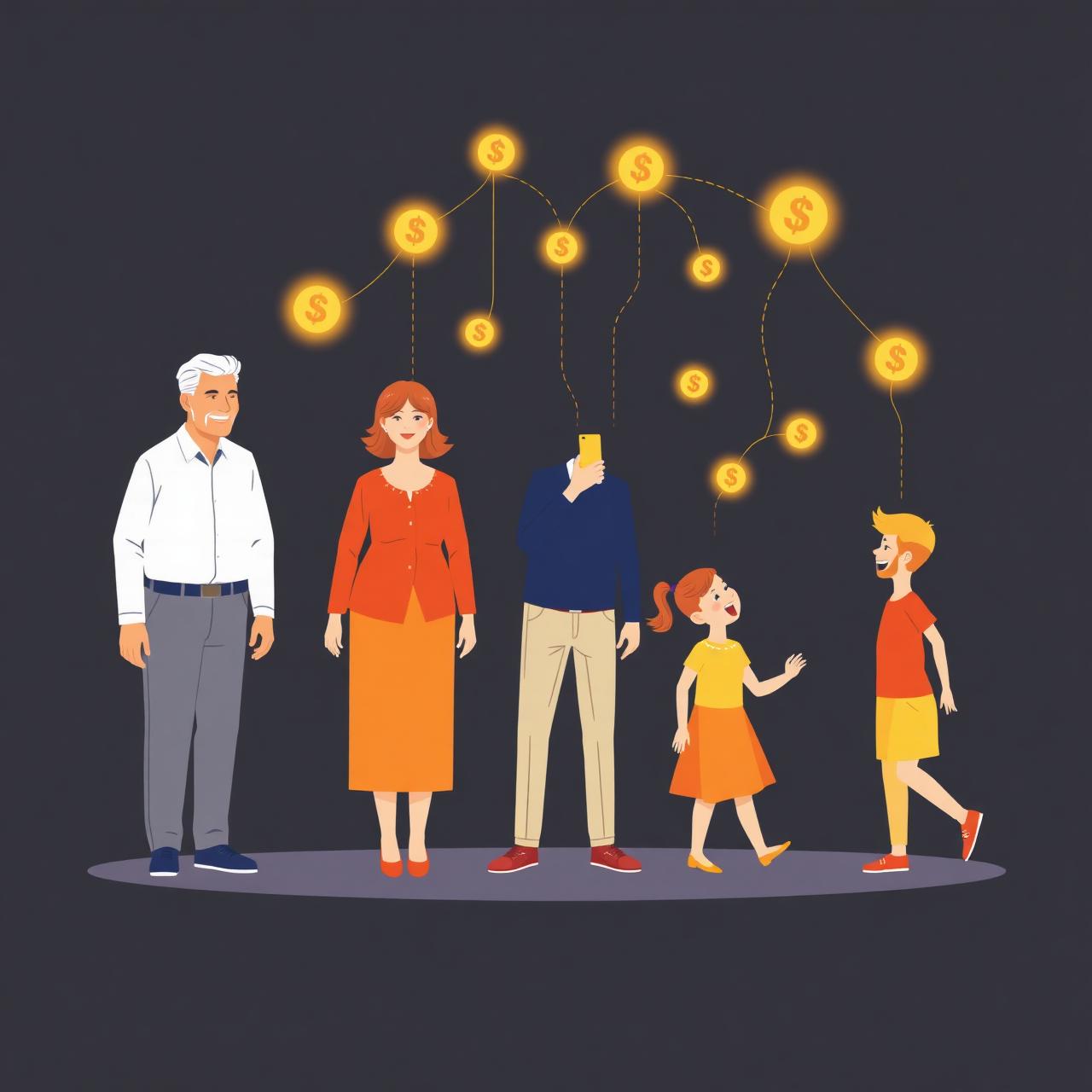
The household became the product, not the individual.
percent of parents financially support an adult child. The parent's telco contract is often the son or daughter's product. In Europe, that intergenerational flow is strongest in the south.
What this asks of consumer finance.
Price and design for intergenerational flow. Telco-style family plans for credit. The parent's contract is the son's product.
In a low-institutional-trust world, the brand relationship is the rare defensible asset.
Loneliness is now a public-health crisis. The in-person human moment is the deepest attention available.
Every EU Member State must host an AI regulatory sandbox by August 2026. Use it to score thin-file consumers and help shape the guardrails, before competitors set them.
Across nine countries, income and institutional context beat the birth-year label and the border. The consumer finance advantage is the European map.
Segment what survives the customer aging out. Underwrite who the old models couldn't see. Show up where trust still happens, in person.
Three people the old segmentation gets wrong.

The payment-native.
Pays: debit and Buy Now Pay Later, not credit.
Trusts: the brand relationship, distrusts institutions.
Real signal: not the birth year, but the payment-channel nativity.
The cohort label is a weak default for everything except how she pays.

The longevity navigator.
Faces: a longevity problem set by the institution, not by taste.
Values: continuity, the absence of nasty surprises, and a human at the moment of friction.
Real signal: income and institutional context, not the senior label.
Two Silver consumers in two countries face structurally different problems. Same label, different product.

The sandwich-generation caregiver.
Carries: an aging parent's bills and an adult child's contracts at the same time.
Faces: invisible to single-borrower credit scoring. Visible only at the household level.
Real signal: not the cohort, not the income alone, but the inflow and outflow of intergenerational support.
The credit model that sees her is the one consumer finance builds for the next decade.
Foresight is not prediction.
It is preparation.
See the household. Use the sandbox. Show up in person.
Consumer Finance Foresight. Built from consumer evidence, for board-level decisions.
Illustrative prototype. Research base (expand)
- Pew Research Center, 2023: stepped back from generational framing as a primary analytical lens.
- Edelman Trust Barometer, 2025: 80 percent trust the brands they use. 68 percent globally distrust business leaders.
- OECD, J.D. Power, McKinsey, Banco de Portugal, and others on cohort identification, attention, and European credit context.
- Financial Health Network, 2025 convening report: families operate intergenerationally. 20 million Americans serve as unpaid caregivers for a parent. The recommendation to providers is explicit: design tools that help families manage money together.
- SHARE study, Survey of Health, Ageing and Retirement in Europe, 62,213 parent-child dyads: a persistent north-south gradient in intergenerational support across Europe. Southern Europe shows systematically higher rates.
- Savings.com 2025 study (reported via Fortune): half of US parents financially support at least one adult child, averaging 1,474 dollars per month. Working-age Gen Z receives an average of 1,813 dollars per month. Cell phone bills are among the most common items covered.
- EU AI Act, Article 57: every Member State must establish at least one national AI regulatory sandbox by 2 August 2026. The European Commission's draft implementing act, consulted in late 2025, sets common rules for operation.
- European Banking Authority, November 2025 factsheet: credit scoring, loan risk assessment and insurance pricing are formally classified as high-risk AI under the EU AI Act. The EBA finds no significant contradictions with existing Consumer Credit Directive, Mortgage Credit Directive and CRR/CRD frameworks.
- IFC and World Bank Group, "Cracking the Credit Code", 2026: combined credit models using traditional plus alternative data can effectively score over 90 percent of thin-file applicants previously excluded from lending.
- FCA "Supercharged Sandbox", live from October 2025: built in partnership with NVIDIA, with credit risk and fraud as explicit use cases. FCA's earlier sandbox produced 6.6 times more fintech investment for participating firms versus peers, and 40 percent faster time to market authorisation.
- US Surgeon General, 2023, "Our Epidemic of Loneliness and Isolation": only 39 percent of US adults feel very connected to others. The share of Americans who feel they can reliably trust other Americans fell from roughly 45 percent in 1972 to roughly 30 percent in 2016.
- World Health Organization, 2023: launched the Commission on Social Connection, a three-year effort formalising loneliness and social disconnection as a global public-health priority.
- Government policy responses: UK appointed a Minister of Loneliness in 2018, Japan in 2021, South Korea began stipends for socially isolated young people in 2023, the EU has produced reports on loneliness since 2018.
Built by Virgo. Innovation · Foresight partner PSFK / FODDA
Learning Expedition by: Legacy Innovation House